Lead Generation in Digital Marketing: The Complete SEO-Friendly Guide for Sustainable Business Growth
In today’s competitive online landscape, lead generation has become the backbone of successful digital marketing strategies. Businesses no longer rely solely on cold calls or traditional advertising to attract customers. Instead, they focus on creating value-driven digital experiences that attract, engage, and convert potential customers into qualified leads.
This in-depth, SEO-friendly guide explores lead generation in digital marketing, why it matters, how it works, and the most effective strategies you can use to generate high-quality leads consistently. Whether you are a startup founder, marketing professional, or business owner, this article will help you understand how to build a scalable and profitable lead generation system.
What Is Lead Generation in Digital Marketing?
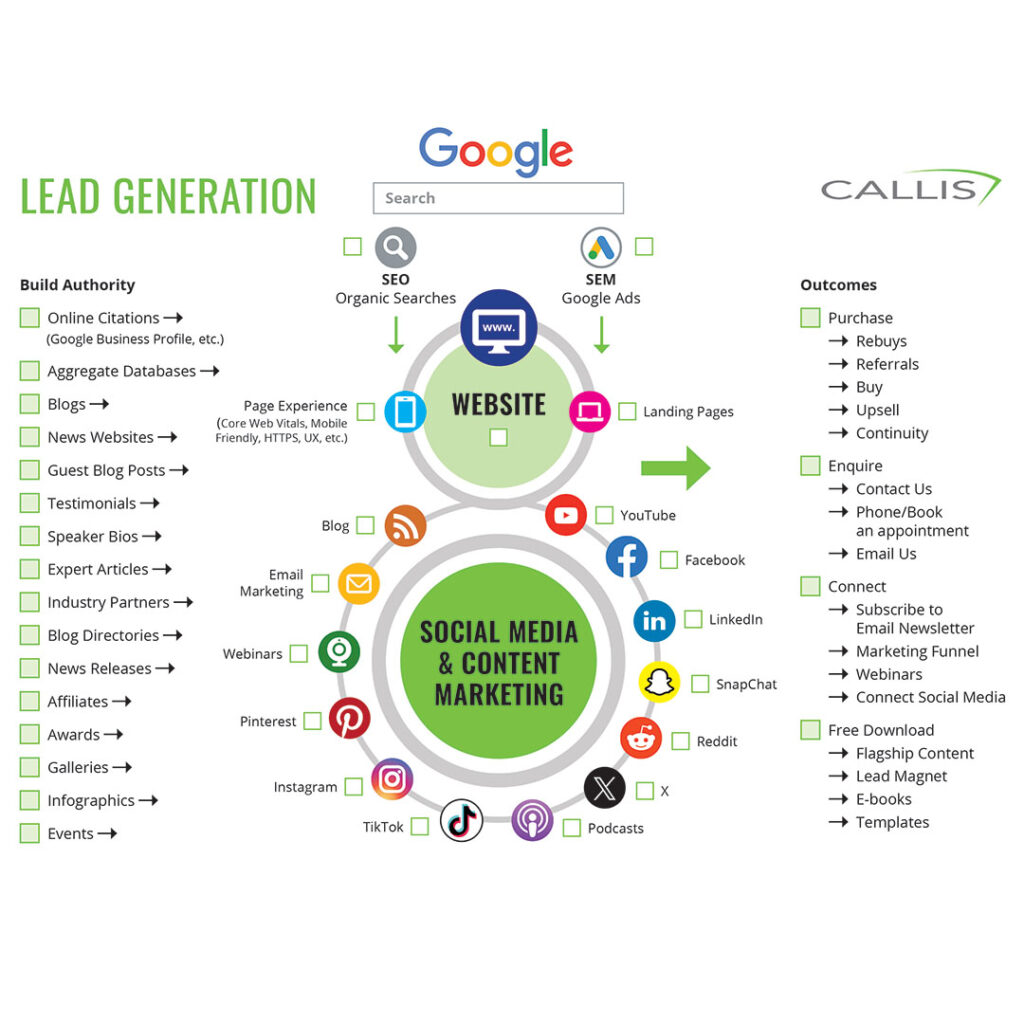
Lead generation is the process of attracting and converting prospects into individuals who have shown interest in your products or services. In digital marketing, lead generation happens through online channels such as websites, search engines, social media, email marketing, and paid advertising.
A lead can be anyone who:
Fills out a contact form
Subscribes to a newsletter
Downloads an eBook or guide
Signs up for a webinar
Requests a demo or consultation
The primary goal of lead generation is not just traffic, but qualified traffic—people who are genuinely interested and more likely to become customers.
Why Lead Generation Is Crucial for Digital Marketing Success
Without an effective lead generation strategy, even the most visually appealing website or well-written content will fail to deliver results. Here’s why lead generation is essential:
1. Consistent Business Growth
Lead generation ensures a steady flow of potential customers into your sales funnel. This consistency helps businesses forecast revenue and scale operations.
2. Better Targeting
Digital lead generation allows marketers to target specific demographics, interests, and behaviors, resulting in higher conversion rates.
3. Cost-Effective Marketing
Compared to traditional advertising, online lead generation methods such as content marketing and SEO provide long-term value at a lower cost.
4. Stronger Customer Relationships
Lead nurturing builds trust over time, helping brands establish long-lasting relationships instead of one-time sales.
How the Lead Generation Funnel Works
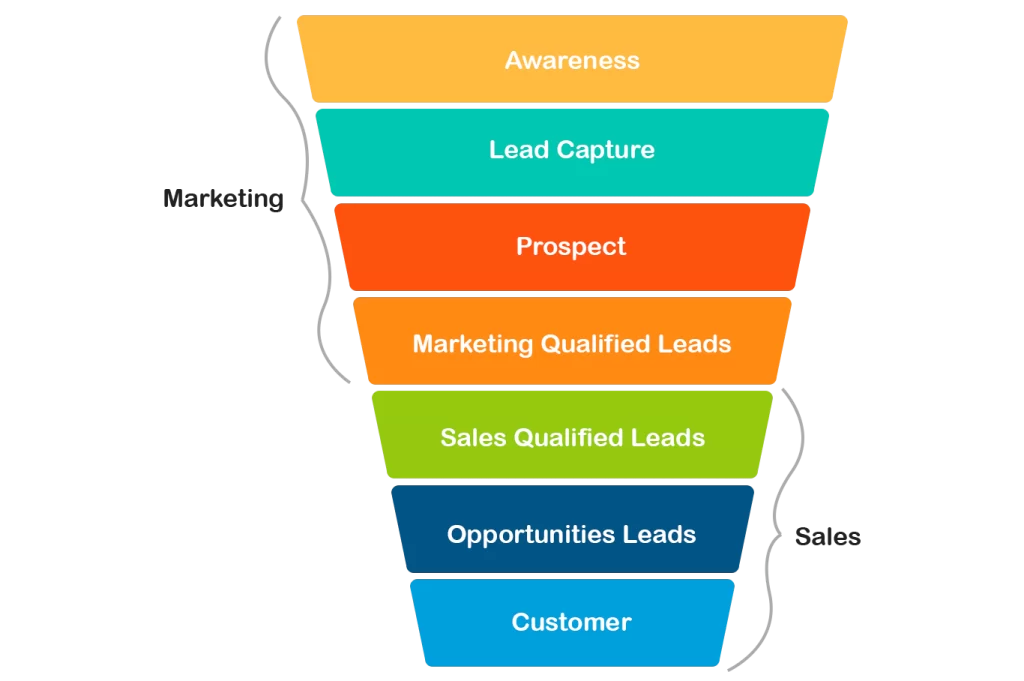
A successful lead generation strategy follows a structured funnel:
Awareness
At this stage, users discover your brand through SEO, social media, paid ads, or referrals.
Interest
Prospects engage with your content, such as blog posts, videos, or free resources.
Consideration
They compare solutions, read case studies, and evaluate your offerings.
Conversion
The lead takes action—submitting a form, booking a call, or making a purchase.
Understanding this funnel helps digital marketers create content and campaigns tailored to each stage.
Top Lead Generation Strategies in Digital Marketing
1. Content Marketing for Lead Generation
Content marketing is one of the most powerful lead generation tools. Blogs, eBooks, whitepapers, and videos attract users organically and position your brand as an authority.
Best practices:
Write SEO-optimized blog posts
Offer downloadable lead magnets
Use clear calls-to-action (CTAs)
Repurpose content across platforms
High-quality content naturally improves lead generation by solving user problems.
2. Search Engine Optimization (SEO)
SEO plays a critical role in long-term lead generation. Ranking high on search engines ensures consistent organic traffic from users actively searching for solutions.
SEO tips for lead generation:
Optimize content around keywords like lead generation
Improve page speed and mobile usability
Use internal linking and schema markup
Focus on search intent
SEO-driven lead generation delivers some of the highest ROI in digital marketing.
3. Social Media Lead Generation
Social media platforms provide direct access to targeted audiences. Channels like LinkedIn, Facebook, Instagram, and Twitter are excellent for lead generation campaigns.
Effective methods include:
Lead forms and gated content
Sponsored posts and ads
Interactive polls and stories
Community engagement
Social media lead generation works best when combined with valuable content and strong CTAs.
4. Email Marketing and Lead Nurturing
Email marketing remains one of the most effective digital lead generation channels. Once a lead enters your database, email campaigns help guide them through the buying journey.
Key email strategies:
Personalized email sequences
Automated drip campaigns
Educational newsletters
Promotional offers
Lead nurturing through email increases trust and conversion rates over time.
5. Paid Advertising (PPC)
Paid advertising accelerates lead generation by placing your offer directly in front of ready-to-convert users.
Popular PPC channels include:
Google Ads
Facebook Ads
LinkedIn Ads
YouTube Ads
When optimized correctly, paid campaigns can deliver immediate, high-quality leads.
Landing Pages: The Core of Lead Generation
A landing page is where lead generation happens. It is designed to convert visitors into leads by focusing on one specific action.
High-converting landing pages include:
A compelling headline
Clear value proposition
Minimal distractions
Strong CTA
Trust signals (testimonials, reviews)
Optimizing landing pages is essential for maximizing lead generation performance.
Measuring and Optimizing Lead Generation Performance
Tracking performance helps marketers improve their lead generation strategies over time.
Key metrics to monitor:
Conversion rate
Cost per lead (CPL)
Lead quality score
Click-through rate (CTR)
Return on investment (ROI)
Data-driven optimization ensures continuous improvement and better results.
Common Lead Generation Mistakes to Avoid
Even experienced marketers can struggle with lead generation. Avoid these common mistakes:
Targeting the wrong audience
Offering low-value lead magnets
Using weak CTAs
Ignoring mobile optimization
Failing to follow up with leads
Fixing these issues can dramatically improve lead generation outcomes.
The Future of Lead Generation in Digital Marketing
The future of lead generation is driven by technology and personalization. AI-powered tools, chatbots, predictive analytics, and marketing automation are reshaping how businesses attract and convert leads.
Trends shaping the future include:
AI-based personalization
Conversational marketing
Voice search optimization
Data privacy-focused strategies
Staying ahead of these trends will give businesses a competitive advantage.
Final Thoughts: Building a Sustainable Lead Generation Strategy
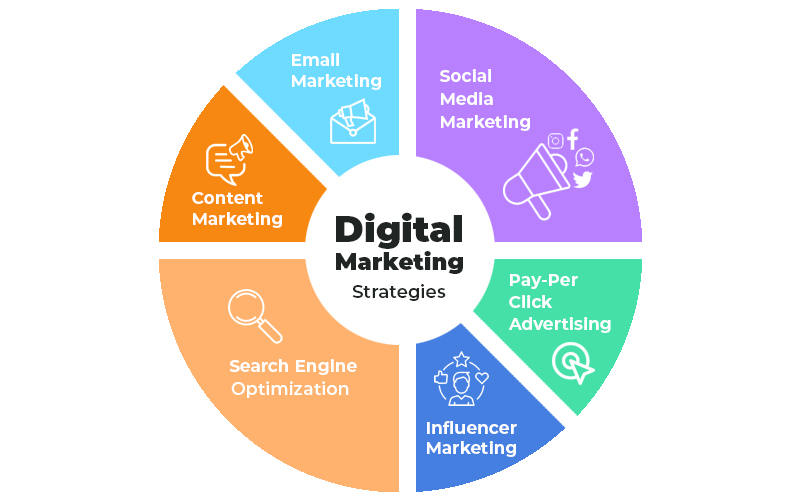
Lead generation is not a one-time tactic—it’s an ongoing process that fuels business growth. By combining SEO, content marketing, social media, email campaigns, and paid advertising, businesses can create a powerful digital marketing ecosystem that attracts and converts high-quality leads.
Focus on providing value, understanding your audience, and continuously optimizing your approach. When done correctly, lead generation becomes the most reliable engine for long-term digital marketing success.
Enjoying this? Consider supporting my human creator! Buy him a coffee on buymeacoffee☕