What Is Digital Marketing? A Simple Beginner’s Guide to Online Growth in 2026
In today’s hyper-connected world, online promotion is no longer optional—it’s essential. Whether you’re a small business owner, freelancer, student, or entrepreneur, learning how online channels work can unlock growth, visibility, and long-term success.
This beginner-friendly guide explains what online marketing is, how it works, its major channels, key benefits, real-world examples, and how you can start step by step. By the end of this article, you’ll have a clear foundation and practical direction to confidently begin your online growth journey.
What Is Digital Marketing?
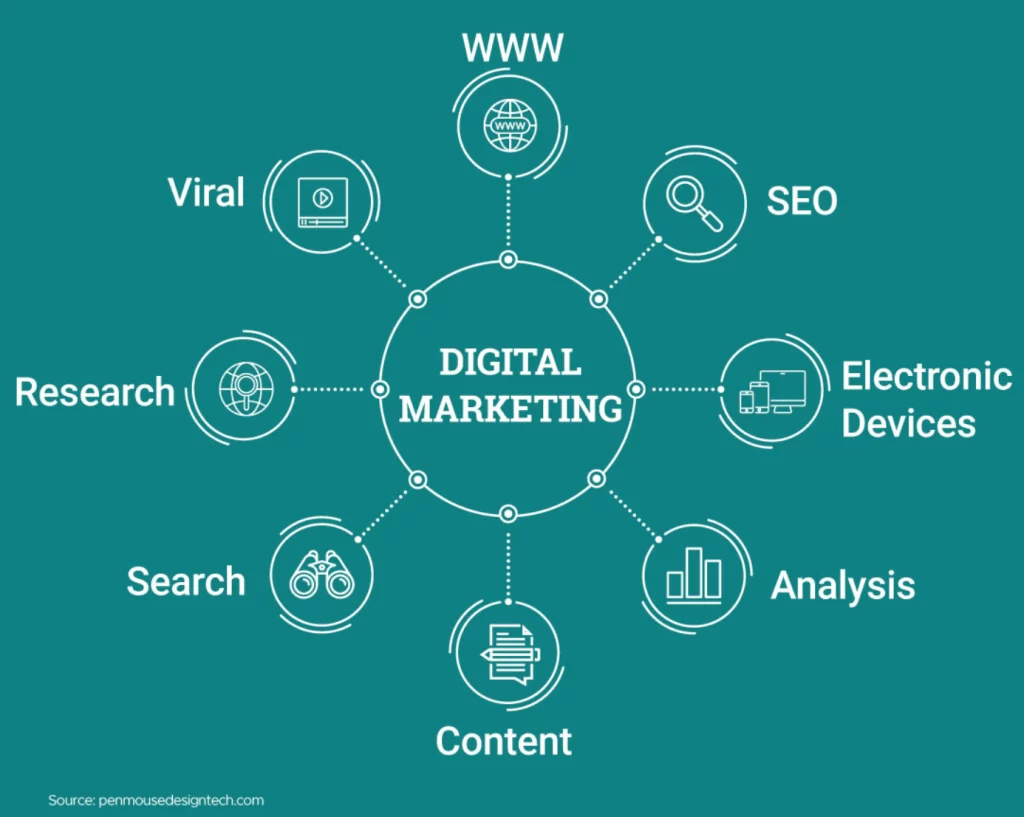
Digital marketing is the practice of promoting products, services, or brands through internet-based platforms such as websites, search engines, social networks, email, and mobile applications.
Unlike traditional advertising methods like TV, radio, newspapers, or billboards, online promotion allows businesses to:
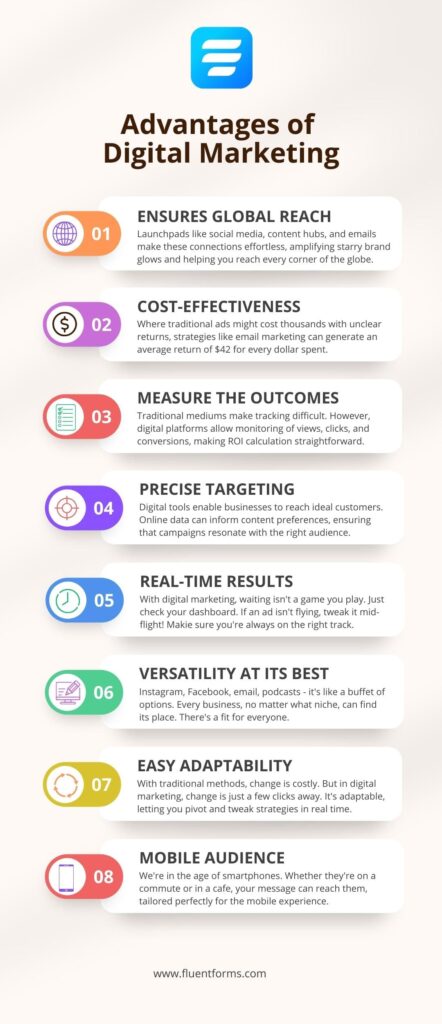
Reach audiences worldwide
Target specific users based on interests and behavior
Measure performance in real time
Optimize campaigns quickly
In simple terms, it’s how modern businesses connect with customers online.
Why Online Marketing Is Important Today
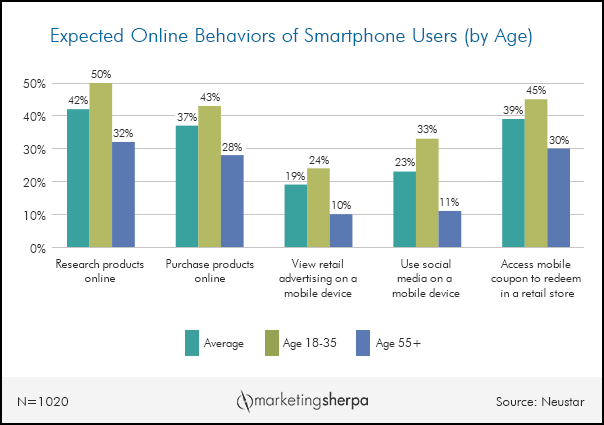
The way people research, shop, and communicate has changed dramatically. Here’s why online-focused strategies are more important than ever:
1. People Spend Time Online
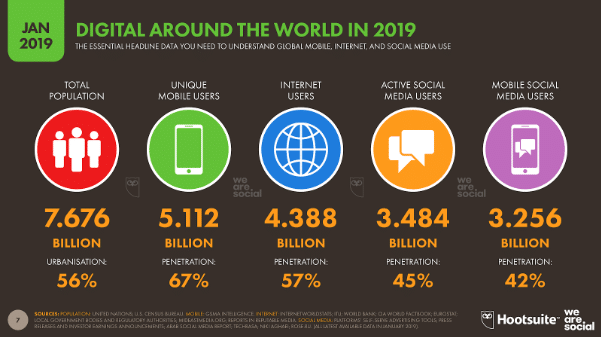
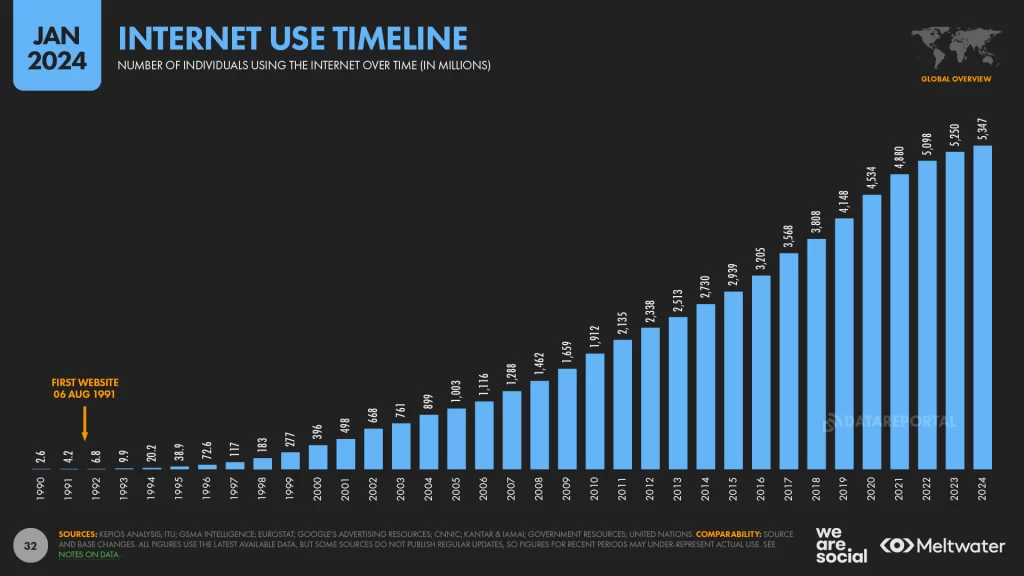
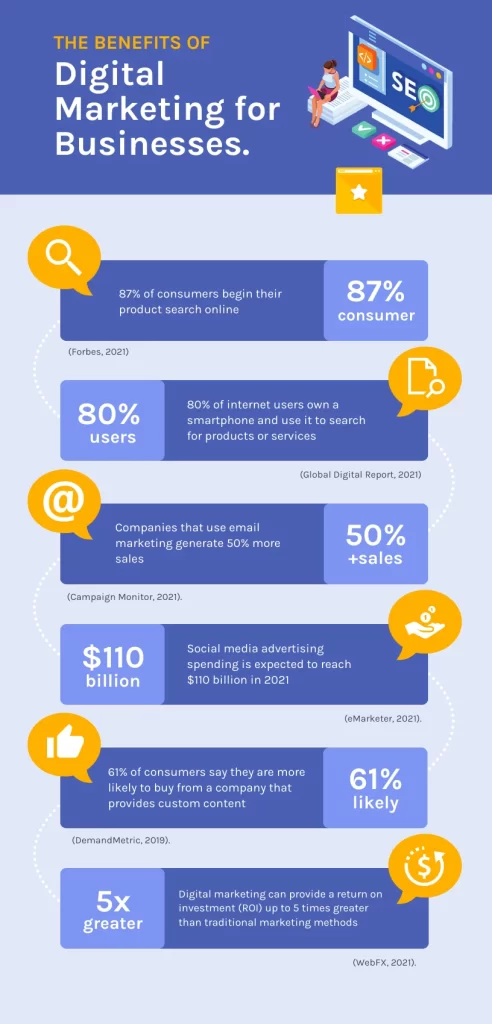
More than 5 billion people use the internet daily, and most buying decisions begin with online research.
2. Cost-Effective Promotion
Compared to traditional advertising, online campaigns often deliver better ROI with smaller budgets.
3. Precise Audience Targeting
Businesses can target users based on location, age, interests, and search intent.
4. Measurable Performance
Analytics tools help track traffic, engagement, leads, and conversions in real time.
5. Two-Way Communication
Brands can interact directly with customers through comments, messages, and reviews.
Types of Digital Marketing (Explained Simply)
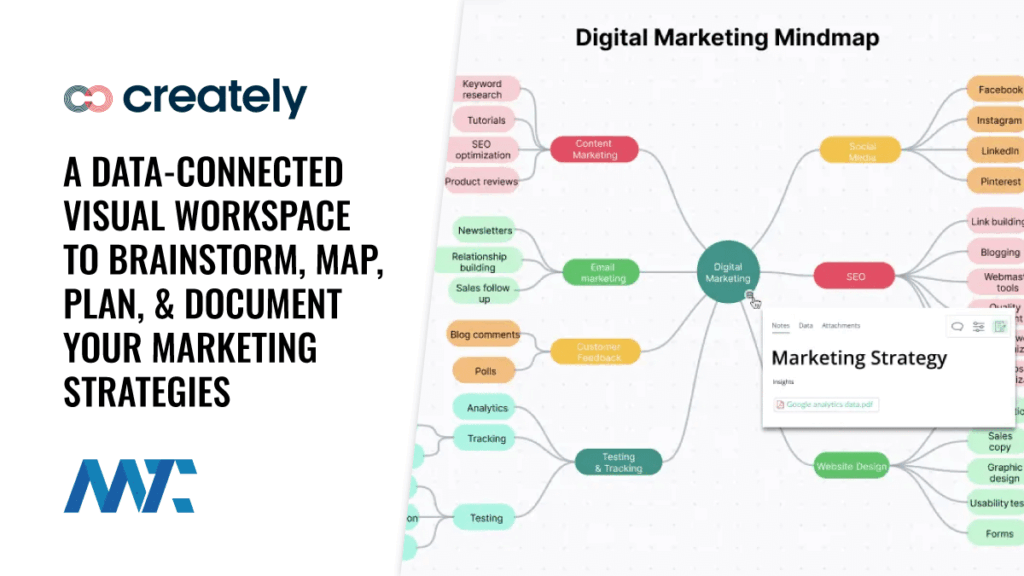
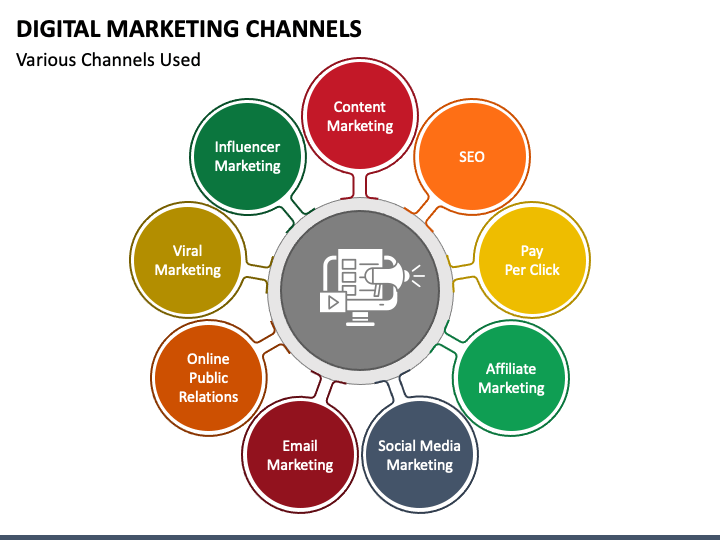
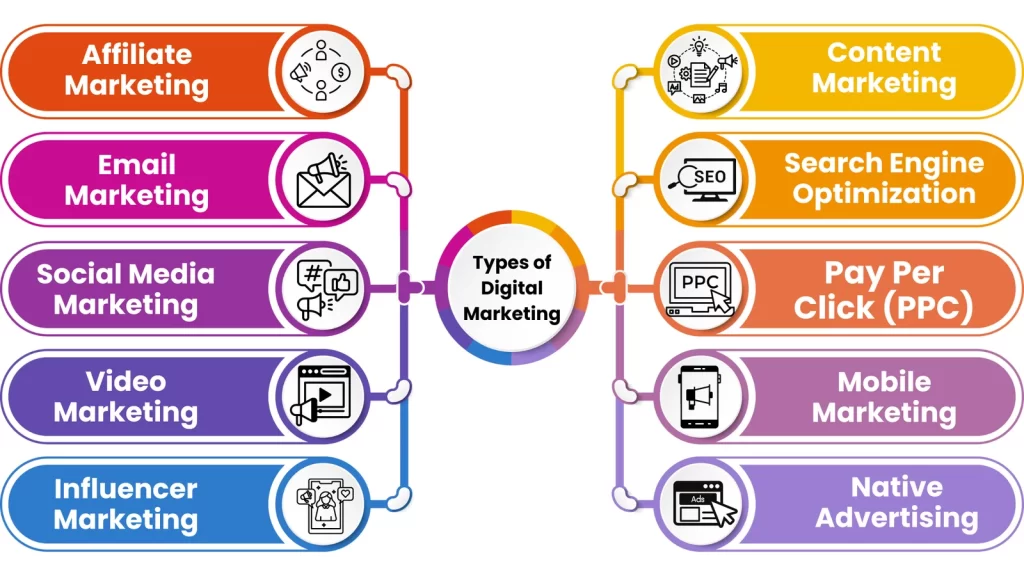
Online marketing consists of multiple channels, each serving a unique purpose in attracting and converting users.
1. Search Engine Optimization (SEO)
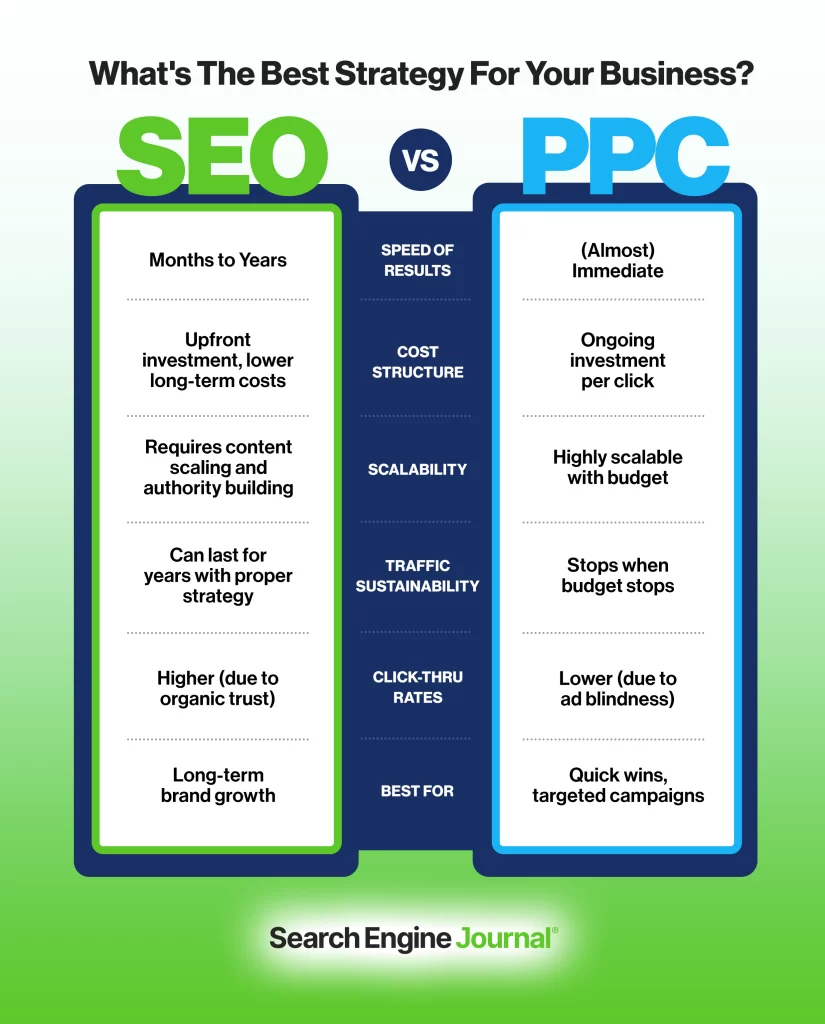
SEO focuses on improving website visibility in search engine results for relevant queries.
Key activities include:
Keyword research
On-page optimization
Technical improvements
Content publishing
Link building
Example: Ranking for “best running shoes for beginners.”
2. Content Marketing
This strategy revolves around creating helpful, valuable content to attract and retain an audience.
Popular formats include:
Blog articles
Videos
Infographics
Podcasts
Ebooks
The goal is to build trust and authority rather than push direct sales.
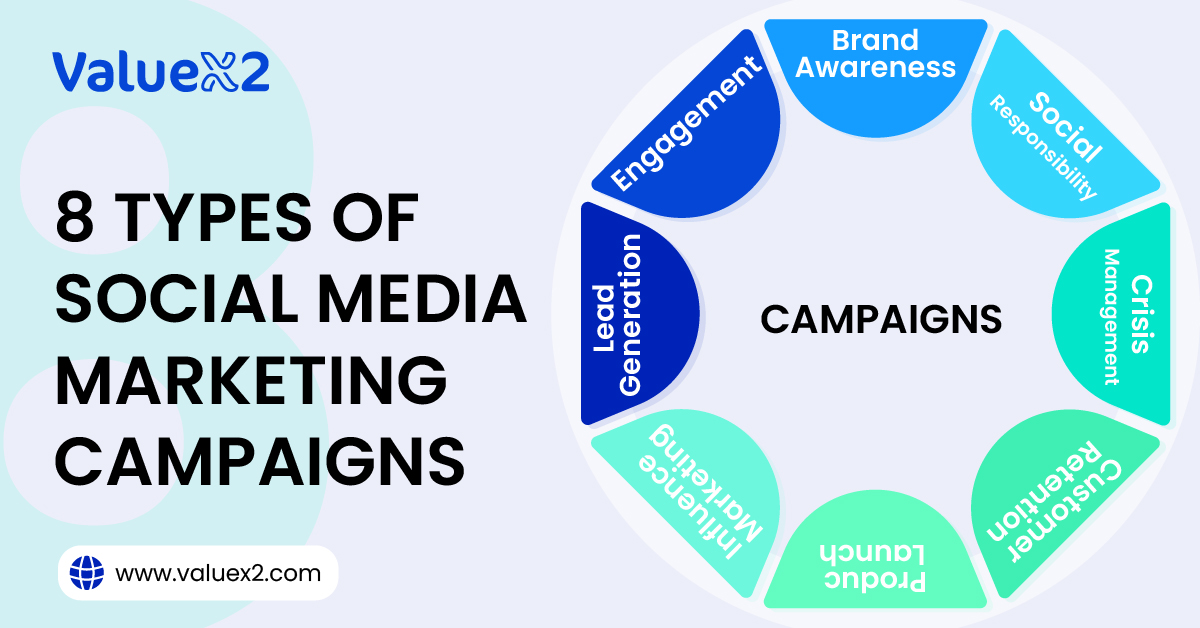
3. Social Media Marketing
Social platforms like Instagram, Facebook, LinkedIn, TikTok, and X are used to promote content and engage communities.
Benefits include:
Increased brand visibility
Audience engagement
Relationship building
Website traffic growth
4. Pay-Per-Click Advertising (PPC)
PPC is a paid model where advertisers pay when users click their ads.
Common formats include:
Search ads
Display ads
Social media ads
Shopping campaigns
Best suited for fast visibility and immediate traffic.
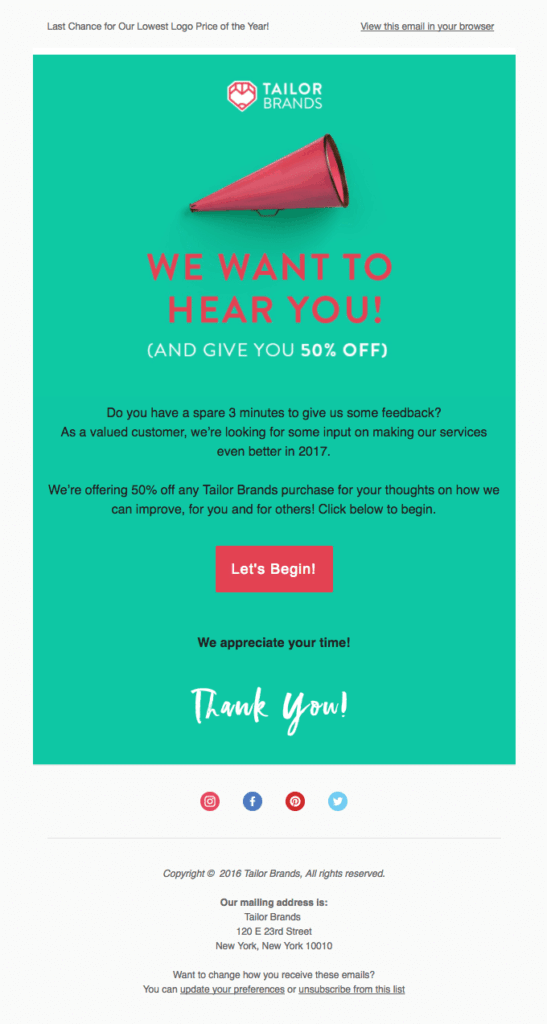
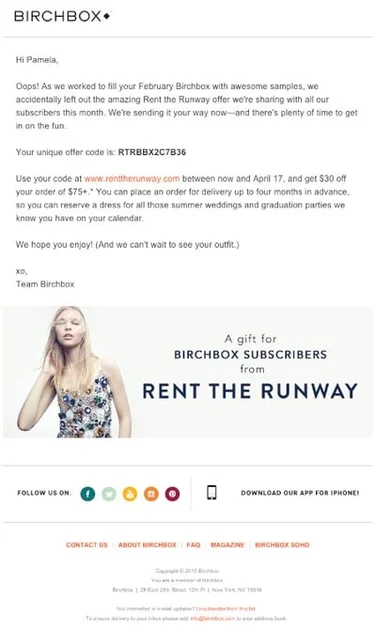
5. Email Marketing
Email campaigns help nurture leads and maintain customer relationships through targeted communication.
Typical use cases:
Newsletters
Special offers
Product announcements
Educational content
Despite being one of the oldest online channels, email marketing still delivers one of the highest returns.
6. Affiliate Marketing
This model allows individuals or businesses to earn commissions by promoting products or services.
How it works:
Promote a product
A user makes a purchase
The promoter earns a commission
7. Influencer Marketing
Brands collaborate with creators who already have a loyal and engaged audience.
Why it’s effective:
Authentic recommendations
Higher engagement
Niche-based targeting
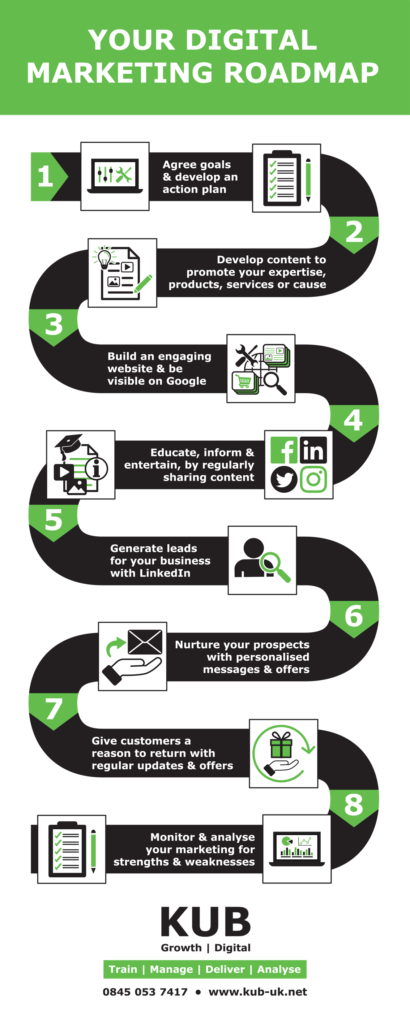
How Digital Marketing Works (Step-by-Step)
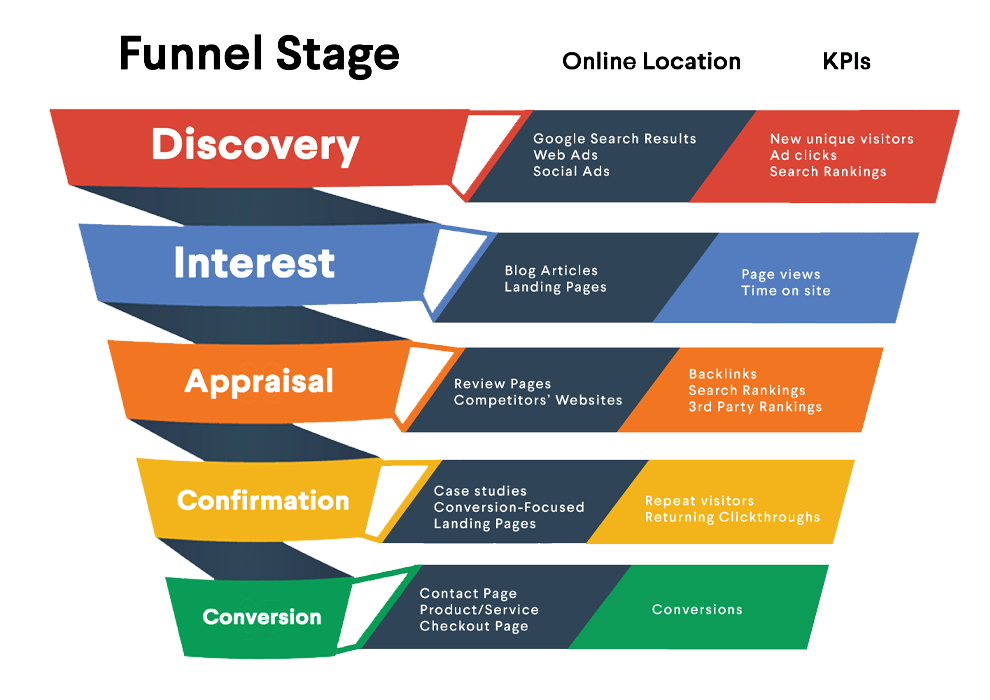
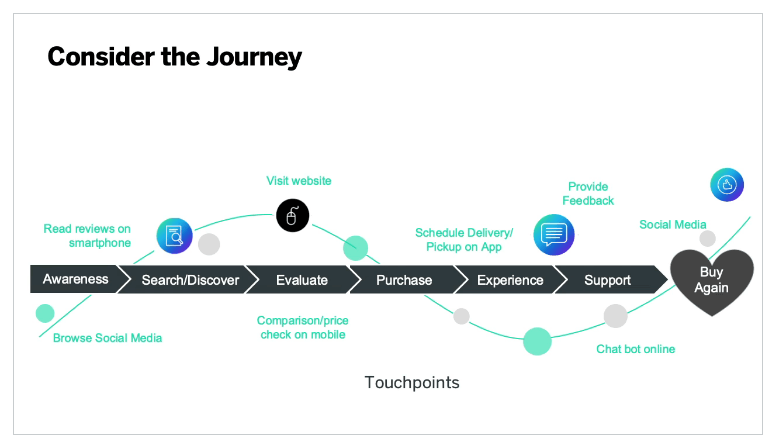
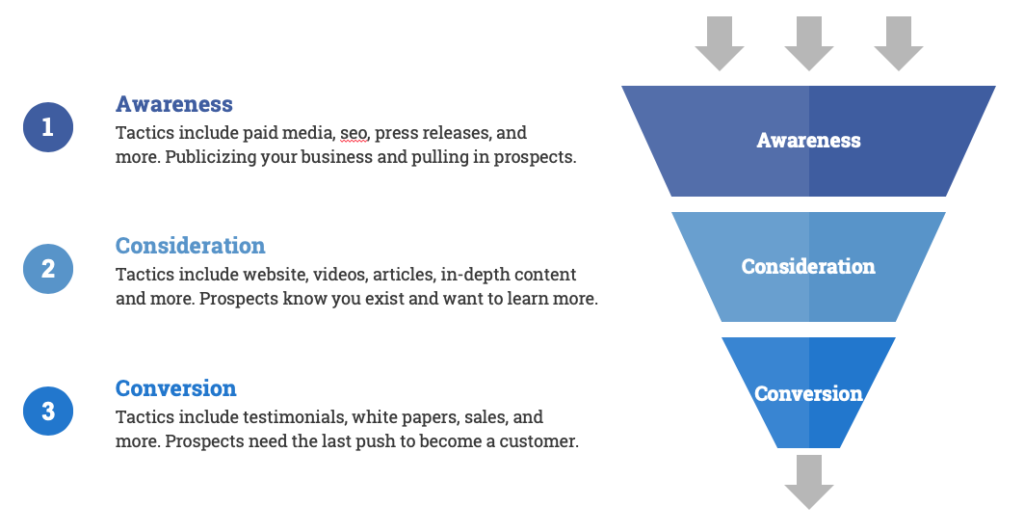
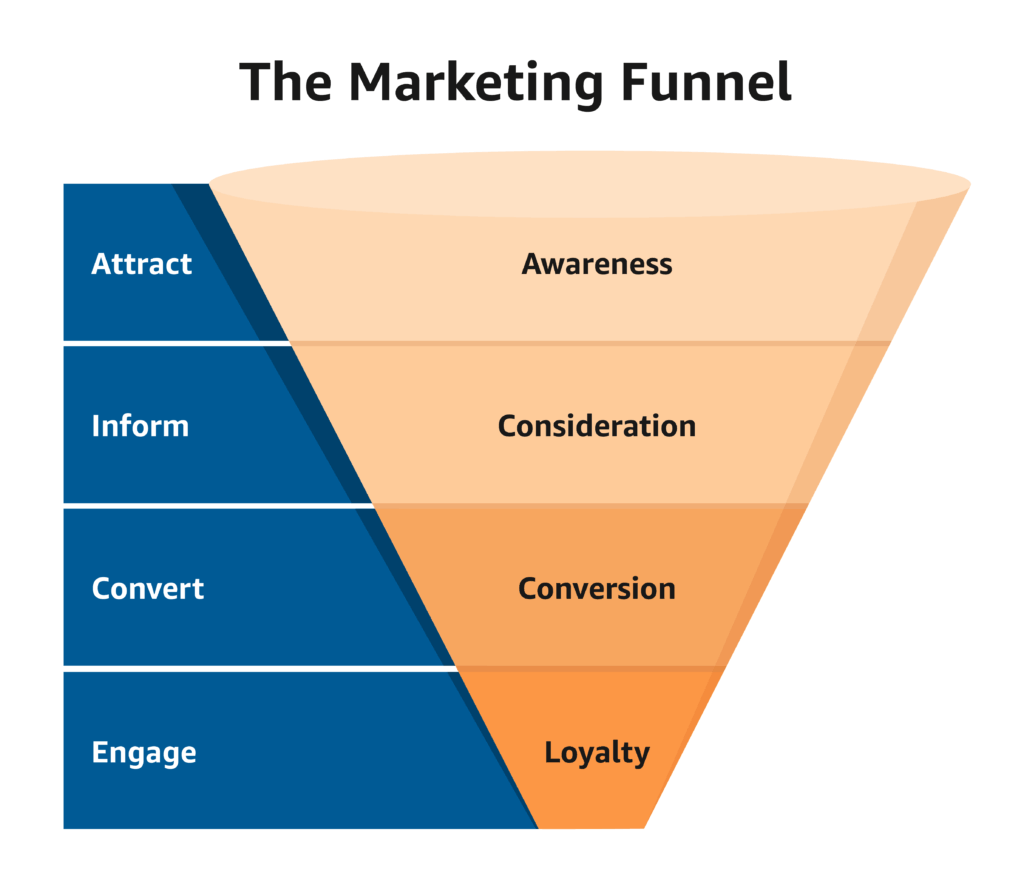
Most online growth strategies follow a funnel-based approach:
Step 1: Awareness Users discover your brand via search engines, social platforms, or ads.
Step 2: Interest They interact with your content, read articles, watch videos, or follow your page.
Step 3: Consideration They compare your offering with alternatives.
Step 4: Conversion They take action—sign up, purchase, or contact you.
Step 5: Retention Ongoing engagement through emails, updates, and value-driven content builds loyalty.
Benefits for Beginners
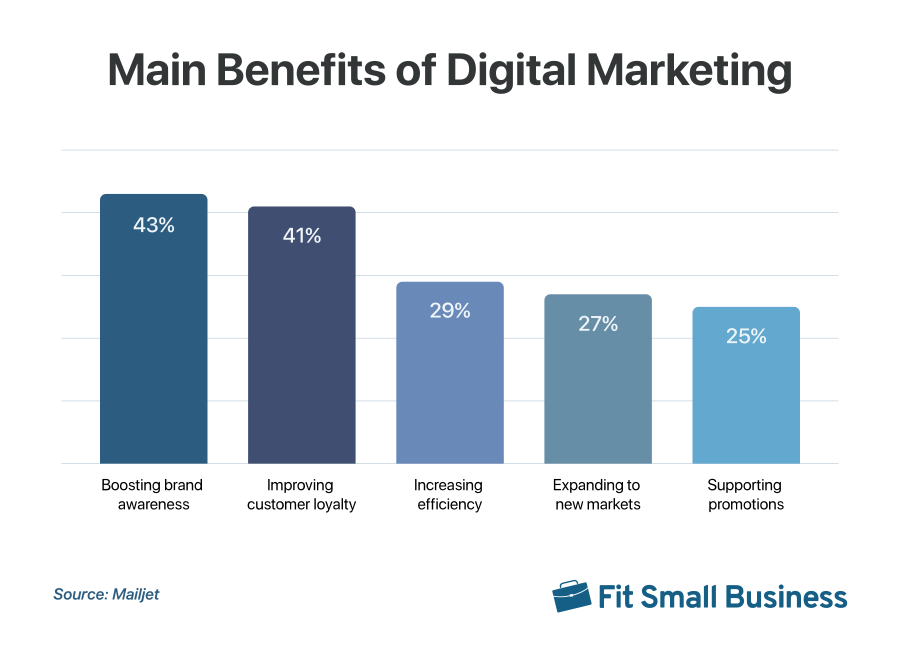
Online promotion offers several advantages, especially for those starting out:
Low entry cost
Scalable strategies
Global reach
Performance tracking
Strong career opportunities
Skill-based growth
Remote work potential
You don’t need a massive budget—just consistency, curiosity, and creativity.
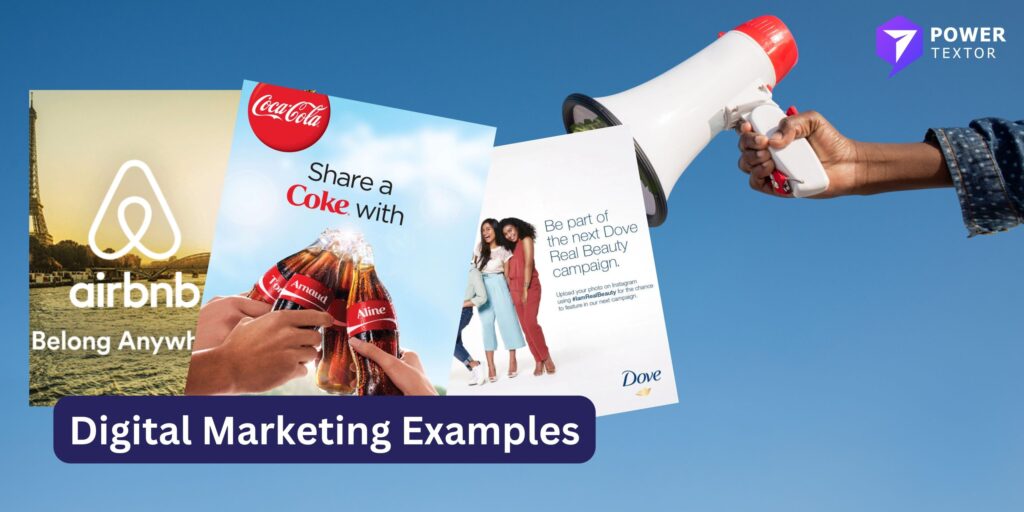
Digital Marketing Examples in Real Life
Here are everyday examples of online marketing in action:
A blog post ranking on Google and attracting daily visitors
An Instagram reel promoting a new product
A YouTube tutorial explaining a service
A promotional email offering a limited-time discount
A Google ad appearing during a product search
You experience these tactics daily—even without realizing it.
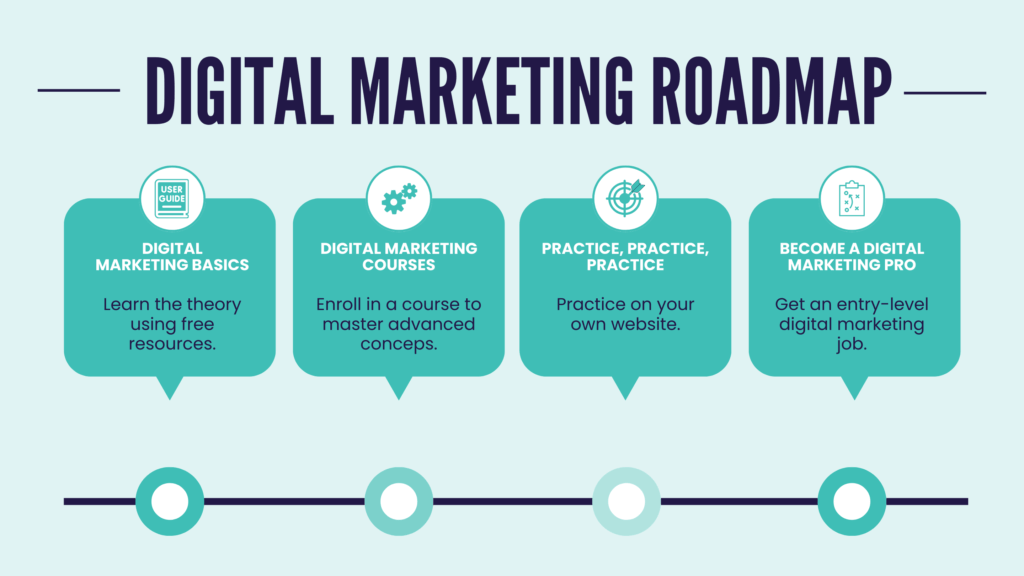
How to Start as a Beginner
If you’re new, follow these steps:
Step 1: Learn the Basics
Understand SEO, content, social media, and analytics.
Step 2: Choose One Channel
Focus on one area first instead of everything at once.
Step 3: Practice What You Learn
Start a blog, grow a social page, or run a small campaign.
Step 4: Use Free Tools
Explore analytics, keyword research tools, and design platforms.
Step 5: Track Results
Monitor traffic, engagement, and conversions.
Step 6: Improve Continuously
Online marketing evolves—keep learning and adapting.
Common Mistakes to Avoid
Ignoring SEO fundamentals
Posting without a strategy
Focusing only on sales
Not tracking performance
Expecting overnight results
Success comes from patience and consistent effort.
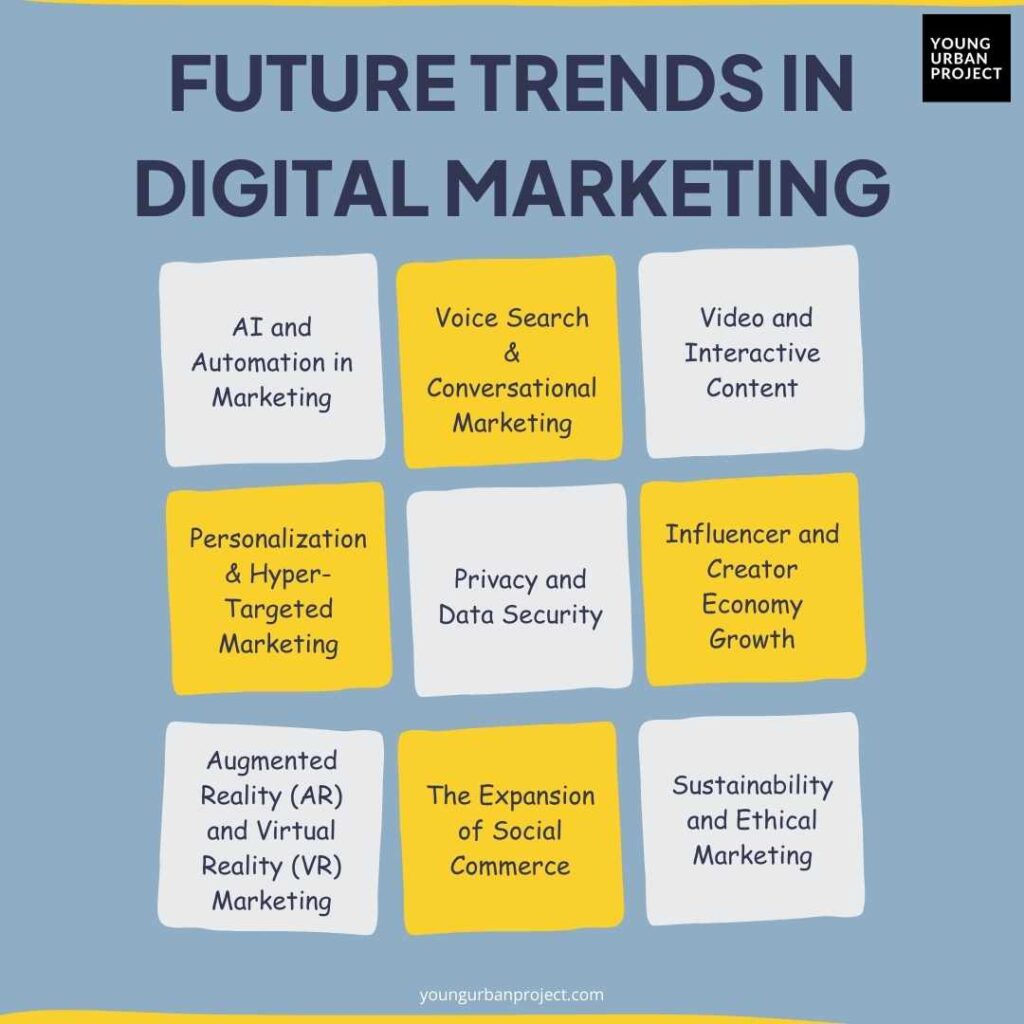
Future of Digital Marketing
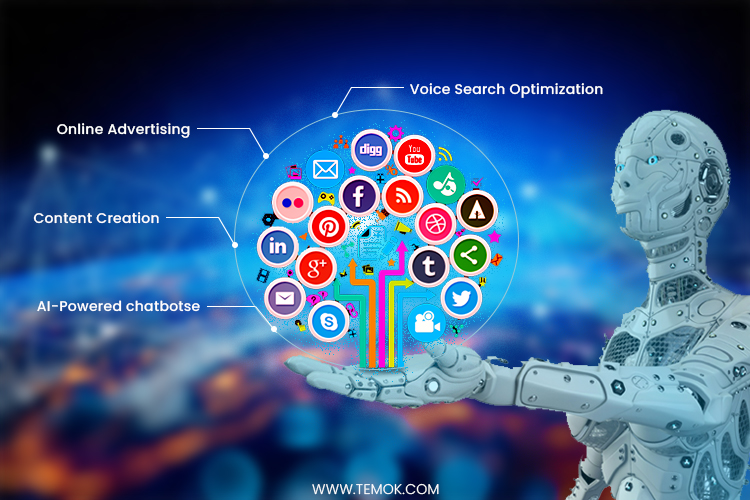
Digital marketing continues to evolve with:
Artificial intelligence
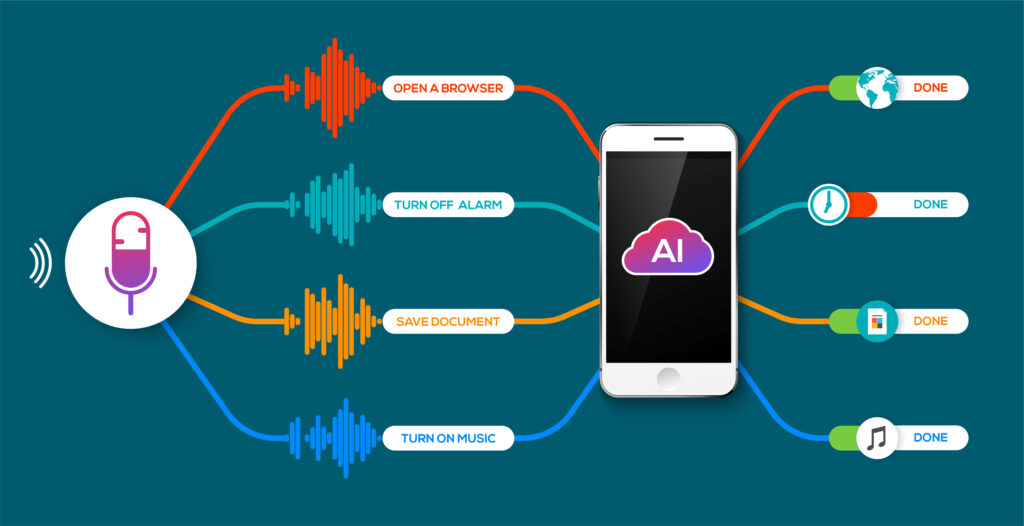
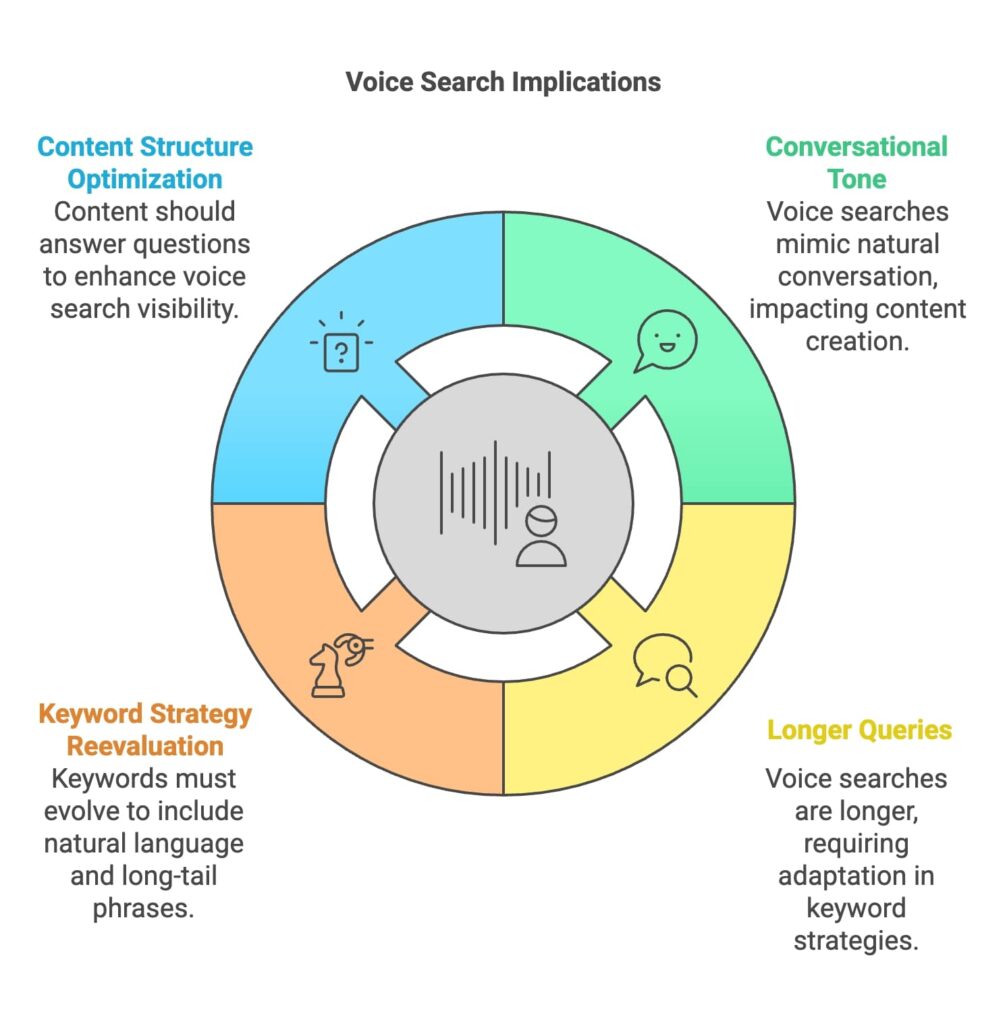
Voice search optimization
Personalized content
Marketing automation
Data-driven decision making
Learning digital marketing today prepares you for the future of business and communication.
Final Thoughts: Is Digital Marketing Worth Learning?
Absolutely.
Digital marketing is one of the most valuable skills in the modern world. Whether you want to grow a business, build a personal brand, or start a career, understanding digital marketing gives you a competitive edge.
This beginner’s guide to digital marketing provides a solid foundation. The next step is action—start small, stay consistent, and keep learning.
Enjoying this? Consider supporting my human creator! Buy him a coffee on buymeacoffee